

Case Study
How a coordinated clinical approach reduced challenging behaviour and significantly improved quality of life for a gentleman with complex needs
The situation before our involvement (Background)
We were approached to support a gentleman with cerebral palsy, severe learning disability, and significant physical needs including full-time wheelchair use and visual impairment. He has no meaningful verbal communication and lacks capacity to make decisions about his care.
Prior to our involvement, he had been receiving domiciliary care only — visits focused solely on personal care tasks with no active case management, no multidisciplinary involvement, and no structured behavioural support. His family had growing concerns. Levels of challenging behaviour were high and increasing, and they felt unheard.

What had been missed
(The challenge)
Without a holistic assessment or coordinated professional input, the underlying causes of his distress had never been properly explored. Staff were working without a consistent approach, which was inadvertently escalating rather than reducing challenging behaviour.
There was no physiotherapy input, no OT assessment of sensory needs, no clinical oversight of medication — and no one coordinating across services on his behalf.
He also presented with swallowing difficulties, yet no up-to-date dysphagia management plan was in place — a significant safeguarding concern that had gone unaddressed.

Building the right team around him
(Our approach)
Our registered nurse led a comprehensive holistic assessment from the outset, working closely with his family at every stage. We made referrals to and coordinated input from:- GP — medication review- Occupational therapist- Physiotherapist- Speech & Language Therapist — dysphagia assessment- District nursing- Specialist consultantWe made an urgent referral to Speech and Language Therapy for a formal dysphagia assessment and ensured an up-to-date management plan was in place before any further risk could arise.The GP review identified that one of his existing medications was likely contributing to elevated levels of challenging behaviour — this was addressed directly following a medication review and adjustment.In parallel, our positive behavioural support practitioner and registered nurse developed a bespoke Positive Behavioural Support plan. All staff received training before the plan commenced, ensuring a consistent, proactive approach from day one.

What changed (Outcomes)

Sensory needs addressed
OT assessment completed; all recommendations implemented, improving daily comfort and experience

Challenging behaviour reduced
Significant reduction in incidents following medication review and PBS implementation within the first two months

Equipment sourced
Appropriate hospital bed sourced, significantly improving positioning, sleep quality, and physical wellbeing
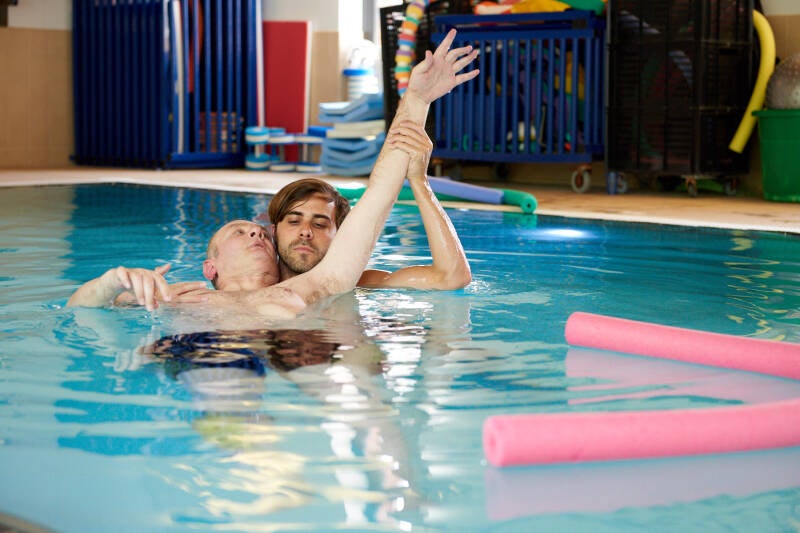
Hydrotherapy arranged
Fortnightly sessions in place — an activity he visibly enjoys, supporting physical and emotional wellbeing

Physiotherapy plan in place
Personalised exercise plan supporting long-term mobility and physical health

Family fully involved
Family reported feeling genuinely involved in care for the first time, describing the change as transformative

What this demonstrates
Complex needs are rarely solved by care alone. This case reflects our belief that true person-centred support requires active clinical leadership, genuine family partnership, and a willingness to look beyond presenting behaviour to understand the whole person.
This case study has been fully anonymised in accordance with our confidentiality policy.
No identifying information has been included.
Contact us
Have a question?
Send us a message and we'll get back to you as soon as possible!
Office Hours
Mon–Sat: 07:00am – 5:00pm
Sunday: 07:00am - 5:00pm
Out of Hours 24/7 on-call nursing support is available for all existing clients. For new enquiries outside office hours, leave a message and we'll respond the next working day.
Email: contact@inclusivecareoptions.co.uk